In Piedmont, Italy, Barolo and Barbaresco vie for supremacy. Barolo boasts less nutrient-rich soil and higher tannins, leading to robust wines. Conversely, Barbaresco thrives in richer soil, creating wines with softer tannins. Aging smooths tannins and enhances complexity, essential for both. Barolo, predating Barbaresco by 50 years, required longer aging initially. Vintages play a key role, influencing acidity and fruit flavors. Consider Langhe Nebbiolo wines as alternatives, offering less tannin and good value. Explore the nuances of these Piedmont giants to uncover the secrets behind their legendary rivalry.
Soil Composition and Wine Characteristics
The soil composition of Barolo and Barbaresco plays a pivotal role in shaping the distinct characteristics of these renowned Nebbiolo wines. Barolo's soil tends to be less nutrient-rich compared to Barbaresco, resulting in wines with higher tannin levels. This nutrient impact influences the flavor development of the grapes, contributing to the robust and structured profile often associated with Barolo wines.
On the other hand, Barbaresco's soil, with more nutrients, leads to wines with a softer tannin structure. Both regions share a common trait of calcareous marl in their soils, which impacts the acidity of the Nebbiolo grapes and influences grape health. Understanding these soil differences is essential in comprehending the unique qualities of Barolo and Barbaresco wines.
Aging Requirements and Effects
A critical aspect influencing the development of Barolo and Barbaresco wines is their distinct aging requirements and the resulting effects on their flavor profiles.
Aging Effects:
- Aging reduces tannins, leading to smoother textures and softer mouthfeel.
- Fruit flavors undergo alteration, evolving into more complex and nuanced profiles.
- Longer aging periods in Barolo compared to Barbaresco are due to Barolo's higher tannin content, resulting in a need for extended maturation to achieve ideal balance.
These aging processes play a significant role in enhancing the overall quality and character of Barolo and Barbaresco wines, contributing to their renowned complexity and age-worthiness.
Historical Evolution of Barolo and Barbaresco
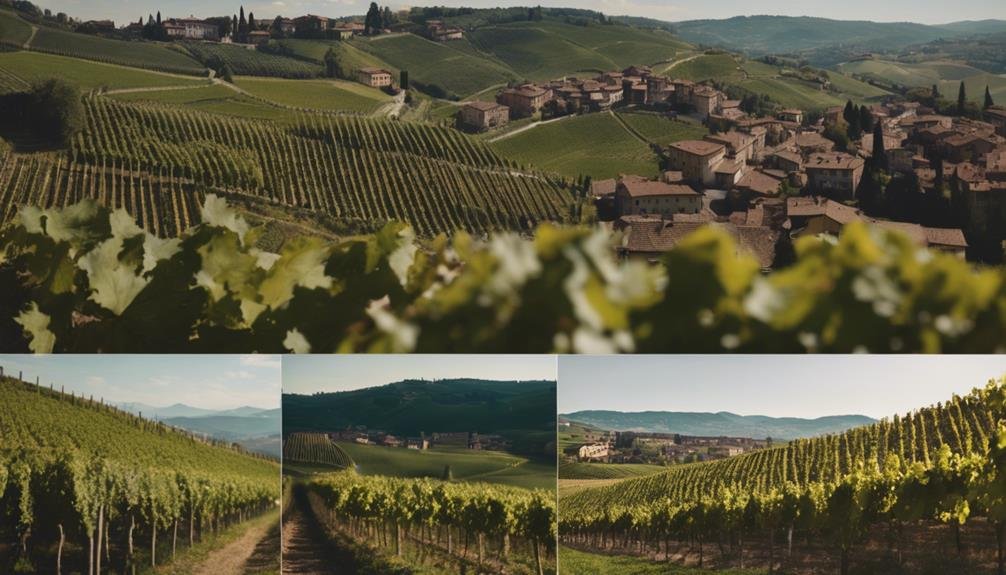
Exploring the origins of Barolo and Barbaresco reveals a rich tapestry of history and tradition in the winemaking heritage of Piedmont, Italy. Barolo, named after a noblewoman in the 1850s, predates Barbaresco by approximately 50 years. Initially sweeter and fruitier, akin to ruby Port or Shiraz, Barolo evolved over time. Barbaresco, emerging in 1894, followed a similar stylistic approach to Barolo. Both regions weathered challenges during World Wars and Phylloxera outbreaks. Post-World War II, improvements in wine quality were spearheaded by producers like Gaia and consortiums. This shared history has led to stylistic similarities between Barolo and Barbaresco, showcasing the enduring legacy of these Piedmont giants.
| Noblewoman Origins | Stylistic Similarities | Historical Evolution |
|---|---|---|
| Barolo – 1850s | Aromas of roses and cherries | Older by 50 years |
| Barbaresco – 1894 | Long finish | Both faced challenges |
| Evolution from sweeter to complex | Calcareous marl soils | Post-war quality improvements |
Vintage Impact on Wine Quality
Understanding how vintages influence the quality of Nebbiolo wines like Barolo and Barbaresco is essential for discerning wine enthusiasts and collectors alike. When considering the impact of vintages on these esteemed wines, several key factors come into play:
- Climate influence and viticulture practices: The weather conditions during a specific vintage greatly affect grape ripening and overall quality.
- Winemaking techniques and regional differences: Each winery and region may have distinct approaches to winemaking, influencing the final taste and characteristics of the wine.
- Aging potential and balance: Certain vintages may exhibit greater acidity, tannins, or fruit flavors, impacting the wine's aging potential and overall balance.
Alternatives to Consider in Piedmont
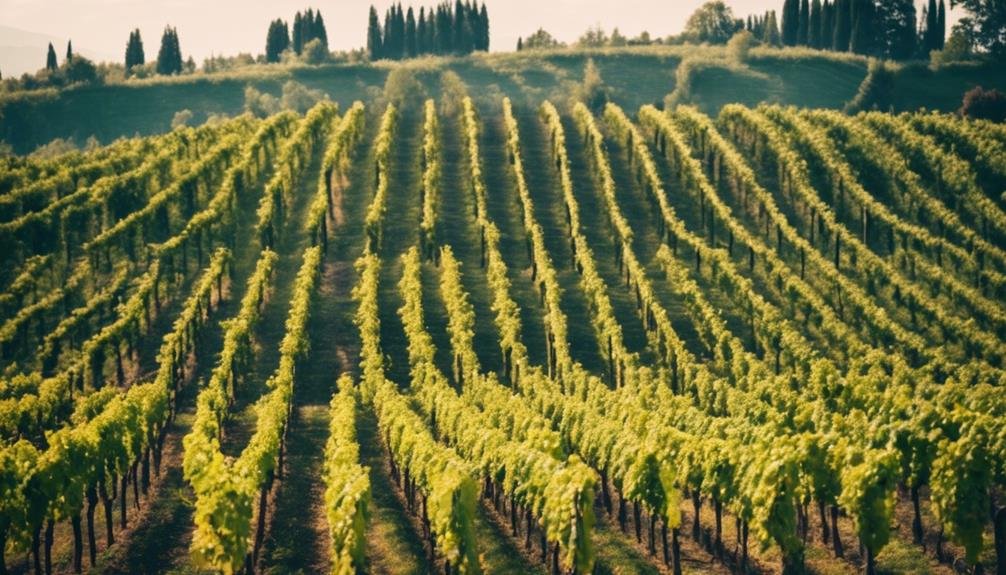
Amidst the diverse array of Nebbiolo wines available in Piedmont, wine enthusiasts may find notable alternatives to Barolo and Barbaresco that offer unique characteristics and value.
Langhe Nebbiolo wines present an intriguing option, offering similar quality with less tannin from varying sourcing locations within the Langhe region. These wines, such as Vietti Perbacco Nebbiolo d'Alba and Ettore Germano Langhe Nebbiolo, can provide excellent value and taste, especially in good vintage years.
With 59 designations in Piedmont producing Nebbiolo wines, exploring these Langhe alternatives can lead to discovering new Nebbiolo gems that showcase the diverse expressions of this noble grape variety in the Piedmont region.
Frequently Asked Questions
How Do the Historical Backgrounds of Barolo and Barbaresco Influence Their Modern Styles?
The historical backgrounds of Barolo and Barbaresco influence their modern styles through traditional winemaking techniques, grape varietals, and soil compositions. These influences shape the flavors, aromas, and aging potentials of the wines, reflecting a rich viticultural heritage.
Are There Any Notable Winemaking Families That Have Significantly Shaped Barolo and Barbaresco?
Several winemaking legacies have profoundly shaped Barolo and Barbaresco. Families like Gaja, Conterno, and Mascarello have influenced these wines' quality and reputation for generations. Their commitment to tradition and innovation continues to define Piedmont's wine culture.
What Specific Food Pairings Complement the Unique Characteristics of Barolo and Barbaresco Wines?
Food pairings with Barolo and Barbaresco benefit from regional cuisine like truffles and braised meats. The wines' aromas of roses, cherries, and tannin levels complement rich dishes. Barolo's structure pairs well with hearty meats, while Barbaresco enhances delicate flavors.
How Do the Winemaking Techniques Differ Between Traditional and Modern Producers in Barolo and Barbaresco?
Traditional winemaking in Barolo and Barbaresco emphasizes extended maceration and aging in large oak casks, preserving terroir nuances. Modern producers employ shorter maceration, smaller barrels, and temperature control, aiming for fruit-forward wines with softer tannins, showcasing a balance of tradition and innovation.
Are There Any Emerging Trends or Innovations in Viticulture or Winemaking Practices in the Piedmont Region?
Sustainable viticulture practices are gaining momentum in Piedmont, with a focus on biodynamic farming. This innovative approach harmonizes with nature, enriching the soil and enhancing grape quality. It reflects a commitment to environmental stewardship and producing exceptional wines.
Conclusion
In the wine world, Barolo and Barbaresco stand as the Piedmont giants, each with their unique characteristics and complexities. Like two dancers on a grand stage, they twirl and entwine, showcasing the rich tapestry of flavors and aromas unique to the Nebbiolo grape.
Exploring alternative Nebbiolo wines from Piedmont offers a delightful journey of discovery, akin to finding hidden gems in a treasure trove. With each sip, one unravels the essence of these renowned Italian wines, a symphony of flavors waiting to be explored.