Explore the world of wine flavors to uncover the magic of aromatic alchemy. Wine aromas are a product of chemical compounds interacting with our senses during fermentation, yielding a broad spectrum of scents. Red wines like Cabernet Sauvignon boast blackcurrant and cedar notes, influenced by terroir. Shiraz exhibits bold blackberry and peppercorn flavors, enhanced by oak aging. Chardonnay's aromatic complexity, with apple and vanilla hints, is shaped by terroir and winemaking techniques. Understanding these nuances enriches the appreciation of each sip, inviting you to investigate the intricate tapestry of wine flavors further.
The Science Behind Wine Aromas
Understanding the intricate relationship between chemical compounds and sensory perception is essential in unraveling the science behind wine aromas.
Chemical reactions occurring during the fermentation process play a significant role in the creation of hundreds of flavor compounds found in wine. These compounds give rise to a diverse range of aromas that can resemble familiar scents from everyday life.
The fermentation process, where sugars are converted into alcohol by yeast, is vital in determining the final flavor profile of wine. By dissecting the chemical reactions that occur during fermentation, we can begin to comprehend the complexity of wine aromas and how they interact with our senses to create the unique bouquet that defines each wine varietal.
Exploring Common Wine Flavor Profiles
Exploring the diverse palette of common wine flavor profiles reveals a rich tapestry of aromatic nuances inherent to different grape varietals and winemaking techniques. Red wines often boast aromas of berries, cherries, and plums, while white wines commonly feature scents of citrus fruits, tree fruits, and melons. Both varieties can also offer floral and herbal notes, alongside unexpected aromas like cheese, bread, and bacon fat.
Aging or oaking wine can introduce vanilla, tobacco, and coffee flavors. Understanding these flavor profiles enhances the sensory experience and aids in food pairings. Additionally, exploring flavor evolution and aging potential can deepen appreciation for the complexity of different wines, offering insights into how flavors develop and mature over time.
Deciphering Cabernet Sauvignon Aromas
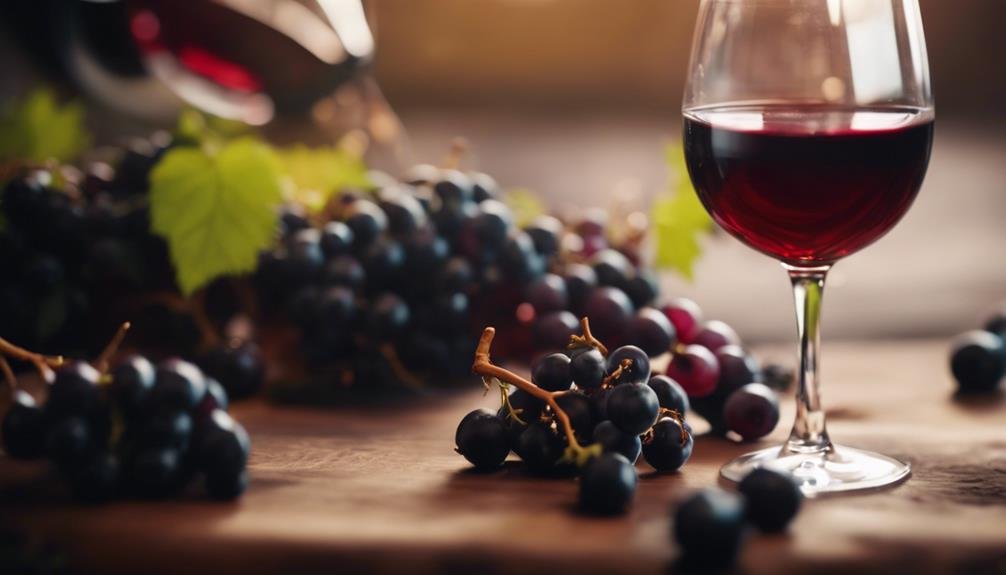
Deciphering the intricate aromas found in Cabernet Sauvignon wines reveals a tapestry of blackcurrant, black cherry, and cedar notes intertwined with subtle hints of bell pepper, mint, and tobacco. These flavors are characteristic of this grape varietal and can be influenced by the terroir, showcasing the importance of location and climate on the final product. Below is a table illustrating the primary aromas found in Cabernet Sauvignon wines:
| Primary Aromas | Description |
|---|---|
| Blackcurrant | Sweet, dark berry notes |
| Black Cherry | Rich, ripe cherry scent |
| Cedar | Woody, earthy undertones |
| Bell Pepper | Green, slightly herbal |
| Mint | Cool, invigorating aroma |
| Tobacco | Earthy, smoky essence |
Understanding these aromas enhances the appreciation of the intricate flavors this grape varietal offers.
Unveiling Shiraz Flavor Characteristics
Shiraz wines demonstrate a pronounced flavor profile characterized by bold notes of blackberry, plum, and peppercorn. These robust flavors are often complemented by undertones of chocolate, licorice, and smoked meat, creating a rich and complex tasting experience.
The unique characteristics of Shiraz flavors can be influenced by vineyard influences such as climate and soil conditions, which contribute to the grape's development and ultimately the wine's taste. Additionally, oak aging in Shiraz wines can introduce additional layers of flavor, like hints of vanilla and coffee.
When it comes to food pairings, Shiraz's bold flavors make it a great match for rich and savory dishes, especially those with grilled meats or hearty stews.
Understanding Chardonnay Aromatic Nuances

Continuing our exploration of wine flavor profiles, let's now examine the nuanced aromatic characteristics found in Chardonnay wines.
Chardonnay's aromatic complexity stems from its terroir influence, where factors like soil composition and climate impact its flavors. Sensory analysis reveals aromas of apple, pear, and citrus in Chardonnay, often accompanied by hints of butter, vanilla, and toasted oak.
The winemaking process, including oak aging and malolactic fermentation, greatly influences Chardonnay's flavor profile, ranging from crisp to rich and buttery.
When considering food pairings, Chardonnay's versatility shines; it complements seafood, poultry, creamy pasta dishes, and even mild cheeses.
Understanding Chardonnay's aromatic nuances enhances the appreciation of this popular and diverse white wine.
Frequently Asked Questions
How Do Different Soil Types Affect the Flavors of Shiraz Wines?
Different soil types impact Shiraz wine flavors through vineyard microclimates and winemaking techniques. Soil composition affects grape nutrient uptake, influencing aroma and taste compounds. This interaction, alongside regional climate variations, contributes to the diverse flavor profiles in Shiraz wines.
Can the Age of Oak Barrels Impact the Taste of Chardonnay?
The age of oak barrels greatly impacts the taste of Chardonnay. Through the aging process, oak influence enhances the flavor profile, creating a sensory experience that ranges from buttery richness to hints of vanilla and caramel, defining Chardonnay taste.
What Causes the Bell Pepper Notes in Cabernet Sauvignon Wines?
Bell pepper notes in Cabernet Sauvignon wines are attributed to the presence of pyrazines, aromatic compounds found in grapes. These compounds develop during grape ripening and are influenced by factors such as grape varietals, farming techniques, and fermentation methods.
Do Climate Variations Influence the Fruity Flavors in Shiraz Wines?
Microclimatic influences and grape ripeness, alongside viticultural practices and harvest timing, play pivotal roles in shaping the fruity flavors of Shiraz wines. These factors, akin to orchestrating a symphony, harmonize to create exquisite taste profiles.
Why Do Some Chardonnay Wines Undergo Malolactic Fermentation?
Some Chardonnay wines undergo malolactic fermentation to reduce acidity and enhance mouthfeel. This secondary fermentation process converts harsh malic acid into softer lactic acid, contributing to a smoother texture. Winemakers employ this technique for improved acidity balance and flavor development.
Conclusion
In the symphony of wine flavors, each sip reveals a tapestry of aromatic alchemy. From the redolent notes of berries to the citrusy zest, the fermentation process sculpts the final flavor profile of wines.
Deciphering the essence of wines uncovers a fascinating journey of sensory delight, enriched by nuances of oak aging and regional influences.
Immerse yourself in the world of 'Decoding Wine Flavors: Aromatic Alchemy Revealed' to unravel the artistry behind each sip.