Explore the wonders of Beaujolais wines, crafted from Gamay Noir grapes, known for vibrant fruit notes like raspberry, tart cherry, and cranberry. These wines offer a unique blend of flavors including mushroom, smoke, and violet, with a high acidity that pairs well with various dishes. The terroir, influenced by the Nizerand River and diverse soil compositions, shapes the wine's character. Consider food pairings and aging potential when selecting Beaujolais wines, which range from Beaujolais AOP to Cru Beaujolais classifications. With indigenous yeast and unique aromas, Beaujolais wines offer a rich tapestry of flavors to discover.
Beaujolais Wine Flavor Profile
In exploring the Beaujolais wine flavor profile, the light red wines crafted from Gamay Noir grapes are renowned for their vibrant fruit notes of raspberry, tart cherry, and cranberry. These fruity flavors are complemented by nuanced hints of mushroom, forest floor, smoke, violet, bakers yeast, banana, and bubblegum.
Delving into acidity levels, Beaujolais wines are characterized by high acidity, which adds to their invigorating and lively nature. This acidity level balances the rich fruit flavors and provides a crisp finish.
The combination of fruity notes and high acidity makes Beaujolais wines versatile for pairing with various dishes, from light salads to grilled meats. This unique flavor profile sets Beaujolais wines apart, offering a delightful sensory experience for wine enthusiasts.
Exploring Beaujolais Terroir
Exploring the unique terroir of Beaujolais reveals a diverse landscape shaped by the Nizerand River, dividing the region into distinct soil compositions ranging from granite and schist in the North to clay-based soils in the South. This terroir influence contributes to the vineyard diversity in Beaujolais, impacting the flavors and characteristics of the wines produced.
The soil impact is significant, with granite and schist soils in the North producing wines with different profiles compared to those from clay-based soils in the South. These variations, coupled with microclimate nuances, create a rich tapestry of flavors and styles within Beaujolais wines.
Understanding the terroir of Beaujolais is key to appreciating the complexity and depth of this renowned wine region.
Tips for Buying Beaujolais Wines
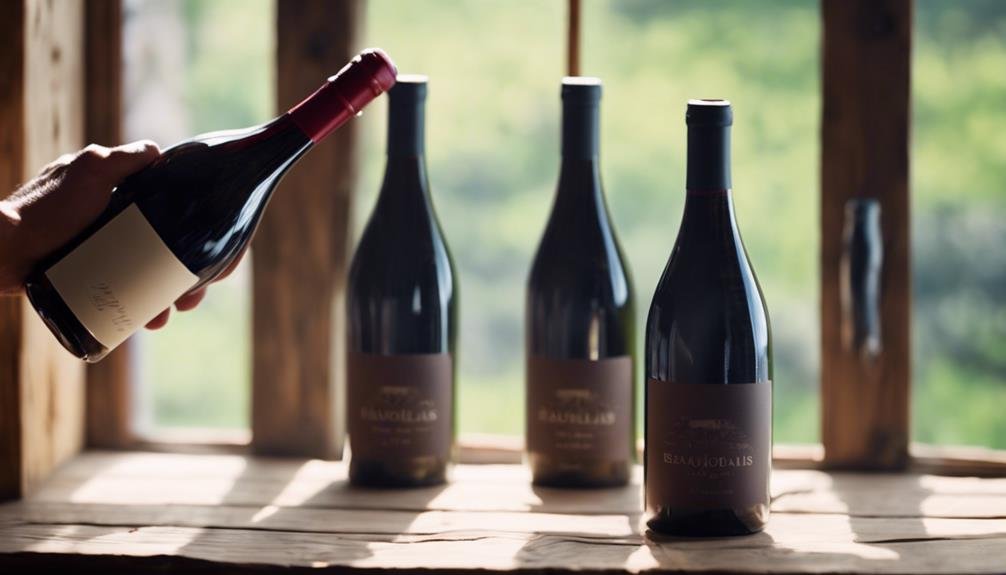
When selecting Beaujolais wines, it is essential to take into account the diverse range of options available to guarantee a satisfying choice that aligns with personal taste preferences and budget constraints.
Consider the food pairings to enhance your dining experience; Beaujolais pairs excellently with a variety of dishes, including charcuterie, roast chicken, and salmon.
Additionally, think about the aging potential of the wine you intend to purchase. While most Beaujolais wines are best enjoyed young to preserve their vibrant fruit flavors, Crus from exceptional vintages can benefit from aging, developing more complexity and depth.
Understanding Beaujolais Wine Classifications
Understanding the nuances of Beaujolais wine classifications provides valuable insights into the diverse range of styles and characteristics found within this renowned wine region.
- Beaujolais AOP: Known for invigorating acidity and low tannin, suitable for various food pairings.
- Beaujolais Villages AOP: Offers deeper and darker wines, ideal for heartier dishes.
- Cru Beaujolais: Representing the pinnacle of quality, with excellent aging potential.
- Food Pairings: Beaujolais AOP pairs well with lighter fare like salads and seafood, while Villages wines complement grilled meats and aged cheeses.
- Aging Potential: Cru Beaujolais wines can evolve beautifully over 5-10 years, enhancing their complexity and depth.
Beaujolais Winemaking Insights
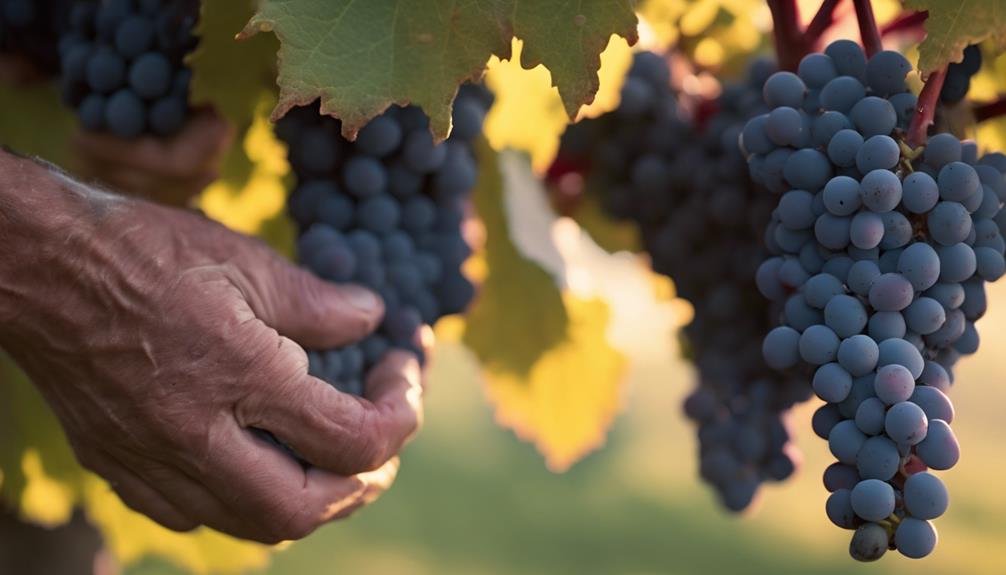
An essential aspect of Beaujolais winemaking lies in the predominant use of the Gamay grape variety, showcasing the region's distinct flavors and characteristics.
Grape fermentation plays a crucial role in the production process, with semi-carbonic maceration being the primary winemaking method. The pressure from whole grape clusters in tanks initiates fermentation, allowing for the development of unique aromas like banana, candied fruits, pear, raspberry, and cranberry.
Additionally, the terroir impact, influenced by the region's diverse soils ranging from granite and schist in the North to clay-based soils in the South, further enhances the complexity of Beaujolais wines.
Indigenous yeast present on the grape skins also contributes significantly to the fermentation process, resulting in the creation of these beloved light red wines.
Frequently Asked Questions
What Food Pairings Complement Beaujolais Wines Best?
When considering wine pairings for Beaujolais wines, focus on dishes that complement the wine's fruit-forward flavors like raspberry and tart cherry. Serve Beaujolais slightly chilled at 55°F and consider decanting to enhance its aromas.
How Does the Climate in Beaujolais Impact Wine Production?
The climate in Beaujolais greatly influences wine production. The region's moderate continental climate, with warm summers and cool winters, enhances grape ripening, while diverse soil compositions ranging from granite and schist in the North to clay-based soils in the South, add distinct flavors and nuances to the wines.
Are There Any Notable Organic or Biodynamic Beaujolais Producers?
Sustainable practices and natural winemaking techniques are gaining momentum in Beaujolais. Notable producers like Domaine de la Grand'Cour and Château Thivin prioritize soil health, employing biodynamic methods to enhance vineyard biodiversity and wine quality.
What Are Some Unique Traditions or Festivals Related to Beaujolais Wines?
Wine festivals in Beaujolais, like the Beaujolais Nouveau Day, celebrate the release of new wines. Harvest traditions involve handpicking grapes. Cultural celebrations like the Fête des Sarmentelles and winemaking rituals, like semi-carbonic maceration, are cherished practices in the region.
Can Beaujolais Wines Benefit From Aging, and if So, for How Long?
Beaujolais wines, particularly Cru Beaujolais, benefit from aging, offering increased complexity and flavor development. Best aging period varies, but generally up to 5-10 years. Climate, organic practices, and traditional celebrations influence wine quality. Ideal with charcuterie, poultry, and cheeses.
Conclusion
To sum up, Beaujolais wines offer a unique and delightful experience for wine enthusiasts. While some may argue that these wines are too light and fruity, their complexity and elegance should not be underestimated.
With a rich history, diverse terroir, and various classifications to explore, Beaujolais wines are a true treasure waiting to be uncovered. Whether you are a novice or a connoisseur, there is a Beaujolais wine out there for everyone to enjoy.